
Child nutrition programs at Macheo, Kenya
Advisory report
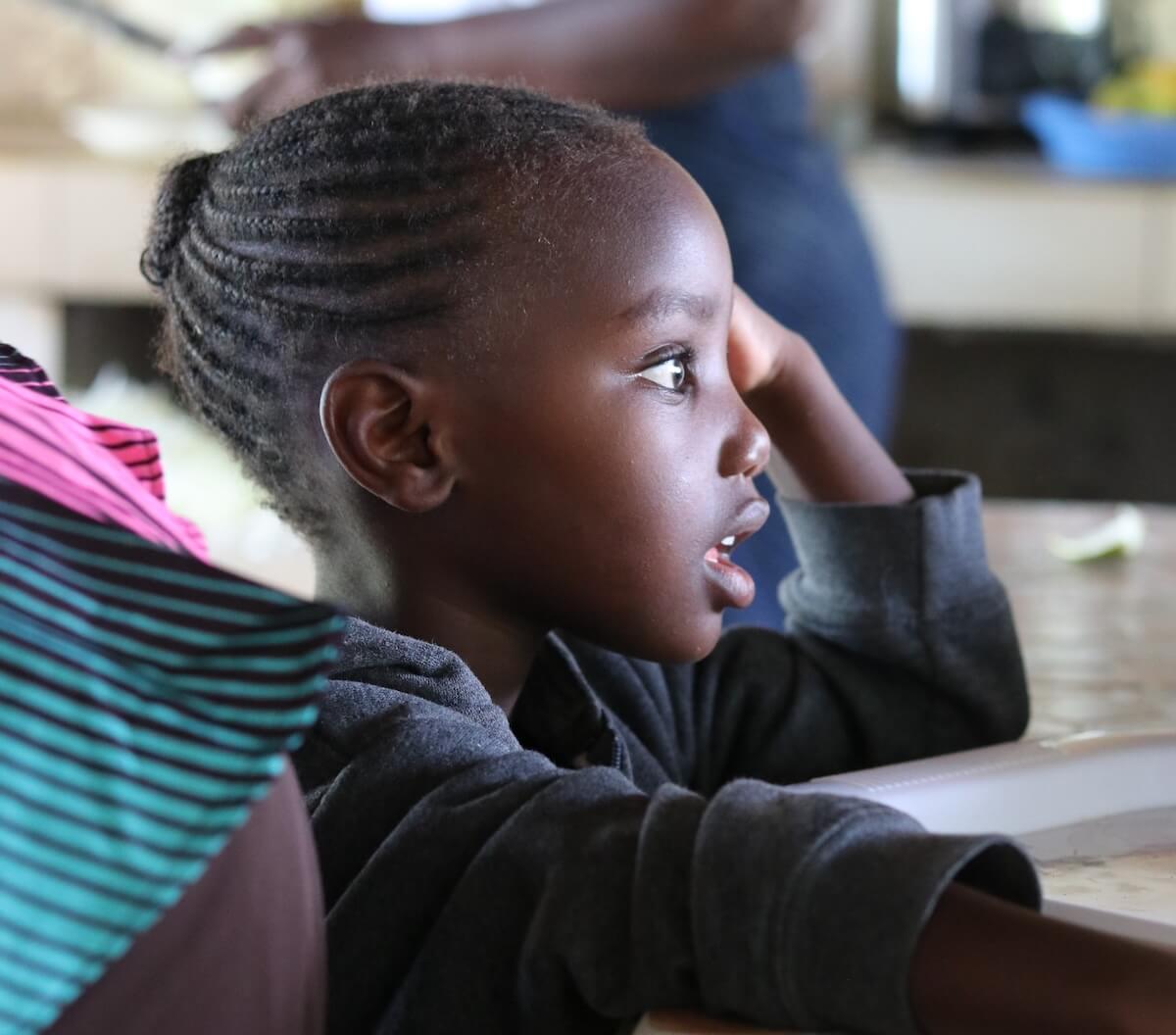
The NGO Macheo in Kenya (https://macheo.ngo/) does a terrific job at serving the community’s children. Macheo identifies at-risk children, gives care in the form of food donations, small sums of money for hospital bills, food, and other acute necessities, education of healthy nutrition, family planning, lactation and more, and supporting and educating people to start their own business to support sustainable change. Macheo’s holistic approach and knowledgeable and enthusiastic team are contributing factors to its success.
 We were asked to come to Macheo to get a grasp of the nutritional programs and give an outside opinion on possible improvement points and gaps in knowledge and program structure. We have presented our initial findings to the group.
We mainly focused on the situation regarding (severe) malnutrition and children at risk in relation to the activities carried out by the Macheo team. Although Macheo is already doing good work in this area, we were able to identify 15 relevant areas for improvement after a thorough analysis. These improvement proposals have been adopted by Macheo.
Why an outside view helps
Macheo already reaches many vulnerable children and their families. Programs that grow over the years can still develop blind spots: a step in the screening of children that is missing, a meal that lacks an important nutrient, or knowledge that sits with only one staff member. An independent review by nutrition professionals helps to find these gaps and to set clear priorities.
How we worked
We followed our usual approach. Our professionals looked at how children at risk are identified, which support they receive and how parents are taught about healthy nutrition. We compared daily practice with dietary guidelines and with the food that is available and affordable locally. The result is an advisory report with 15 concrete points for improvement, which Macheo has adopted.
Severe malnutrition in children
Children with severe acute malnutrition, also called severe wasting, have a much higher risk of dying from common infections. In 2024, 42.8 million children under five were wasted worldwide, 12.2 million of them severely (UNICEF, WHO and World Bank, Joint Child Malnutrition Estimates 2025). Early detection and good follow up are therefore essential. Read more about wasting.
Support our work
Our nutrition professionals only work on invitation of a local organization. With your donation we can respond to these requests, visit the field and keep supporting our partners from a distance. Donate now or see our other projects.